Energy Access
Transforming lives through sustainable energy solutions tailored for local needs.
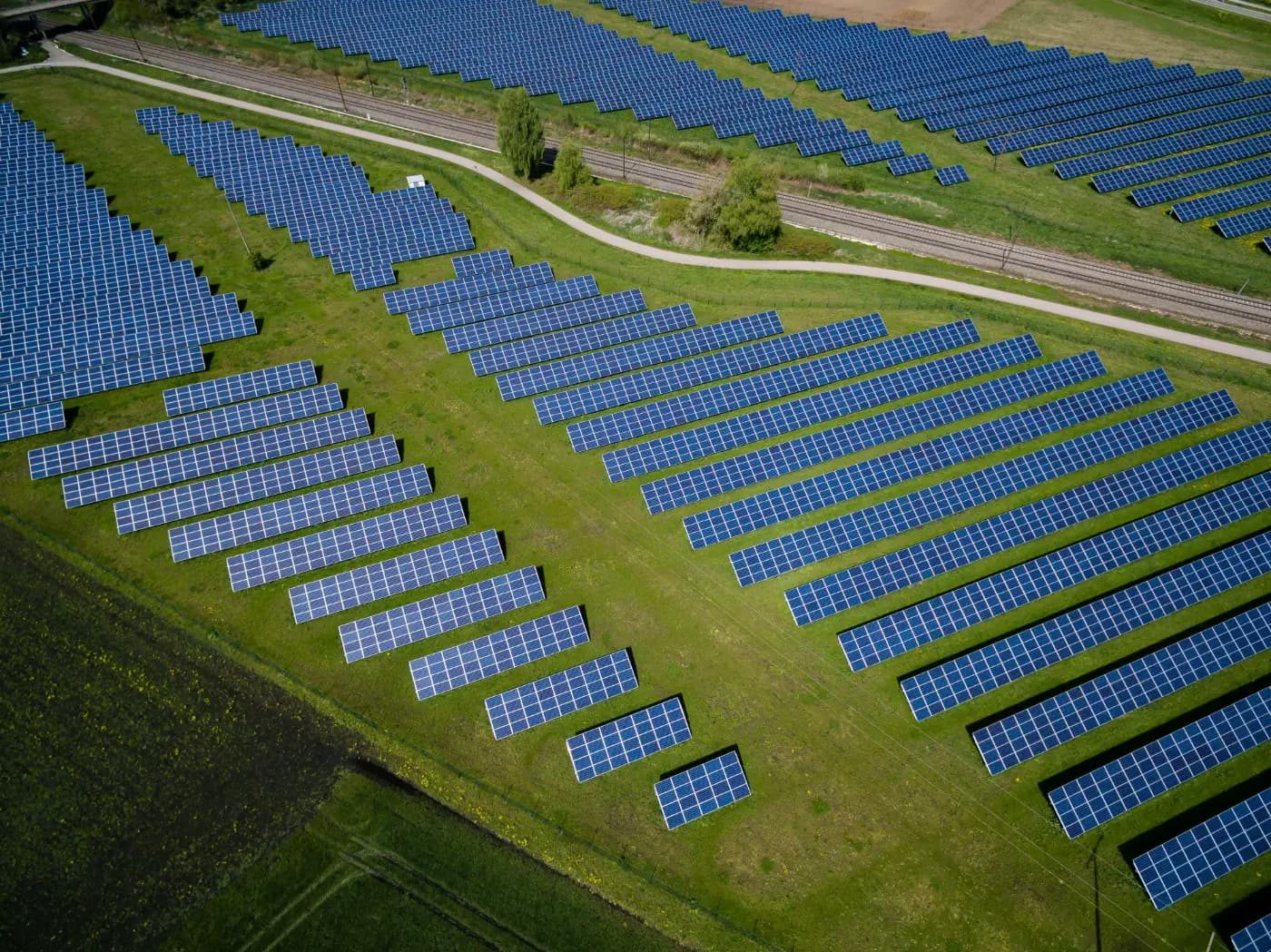
Discover the potential of decentralized energy solutions for a sustainable and prosperous Nigeria.
Leveraging SEAP's GIS platform and satellite datasets (e.g., Global Solar Atlas), we identify optimal sites for utility-scale solar across Nigeria. Criteria include terrain suitability, land use, proximity to grid infrastructure, and irradiation levels—all essential for high-yield solar power plants.
Transforming lives through sustainable energy solutions tailored for local needs.
Driving economic growth and enhancing quality of life in underserved regions.
SEAP's utility-scale solar program is designed to accelerate Nigeria's clean energy transition by developing high-capacity solar farms that integrate with national and regional grids. Leveraging the SEAP GIS platform and satellite tools like the Global Solar Atlas, optimal locations are selected based on terrain suitability, irradiation levels, proximity to grid lines, and land-use data. These metrics ensure bankable solar infrastructure with long-term yield viability and environmental resilience.
According to the Global Solar Atlas, Nigeria receives strong solar radiation across most regions, with global horizontal irradiation (GHI) ranging from 4.5 to 6.0 kWh/m²/day. This allows for both fixed-tilt and solar tracking systems, boosting the performance of utility-scale projects. These irradiation profiles are central to SEAP's solar yield models and capacity planning.
SEAP aligns with Nigeria's national target of achieving 2 GW of utility-scale solar by 2025 and contributing to the broader 30:30:30 energy vision (30% renewable share by 2030). The rollout is structured in phases: Phase 1 (2026-2027) will deploy 100-200MW across 3-5 high-priority sites, while Phase 2 (2028-2030) aims for an additional 300-500 MW, focusing on industrial corridors and economic zones. Prominent benchmarks include the 200 MW Ashama Solar Power Station in Delta State and the 50 MW Abiba Solar Farm in Kaduna, both referenced in national solar development frameworks.
The financial model assumes a capital cost of approximately $0.8-1.0 million per MW, inclusive of land acquisition, construction, and grid interconnection. Power Purchase Agreement (PPA) tariffs are expected to range between ₦7-10/kWh (around 6-9 US¢/kWh), based on current federal renewable energy procurement trends. Yield expectations per 1 MW system are 1.7-1.9 GWh annually, with a 20-22% capacity factor, delivering consistent returns. Equity investors can expect internal rates of return (IRR) between 12-15%, supported by concessional debt from development finance institutions (DFIs), local banks, and climate finance tools like the Green Climate Fund (GCF).
With over 73 MW of solar capacity installed in Nigeria as of 2024, the country currently ranks 5th in Africa. However, the policy landscape is becoming increasingly favorable—particularly with NERC's anticipated utility-scale auctions and incentives for private sector-led IPPs. SEAP's pipeline of investment-ready solar projects is strategically designed to tap into this momentum, helping drive Nigeria's industrial growth, job creation, and climate action goals.