Derivative Products & Value Chains
Cassava, Maize, Yam, Rice and Millet. These crops dominate in volume, indicating their widespread cultivation and importance across LGAs.

Discover how SEAP's electric mobility initiatives are reshaping Nigeria's transportation landscape for a sustainable future.
SEAP's integrated infrastructure model supports agricultural transformation by addressing energy, data, and value chain gaps across Nigeria's farming communities. From powering irrigation and processing to enabling storage and distribution, we're helping Nigeria unlock the full potential of its Agri-economy with technology, precision data, and clean energy at its core.
Cassava, Maize, Yam, Rice and Millet. These crops dominate in volume, indicating their widespread cultivation and importance across LGAs.
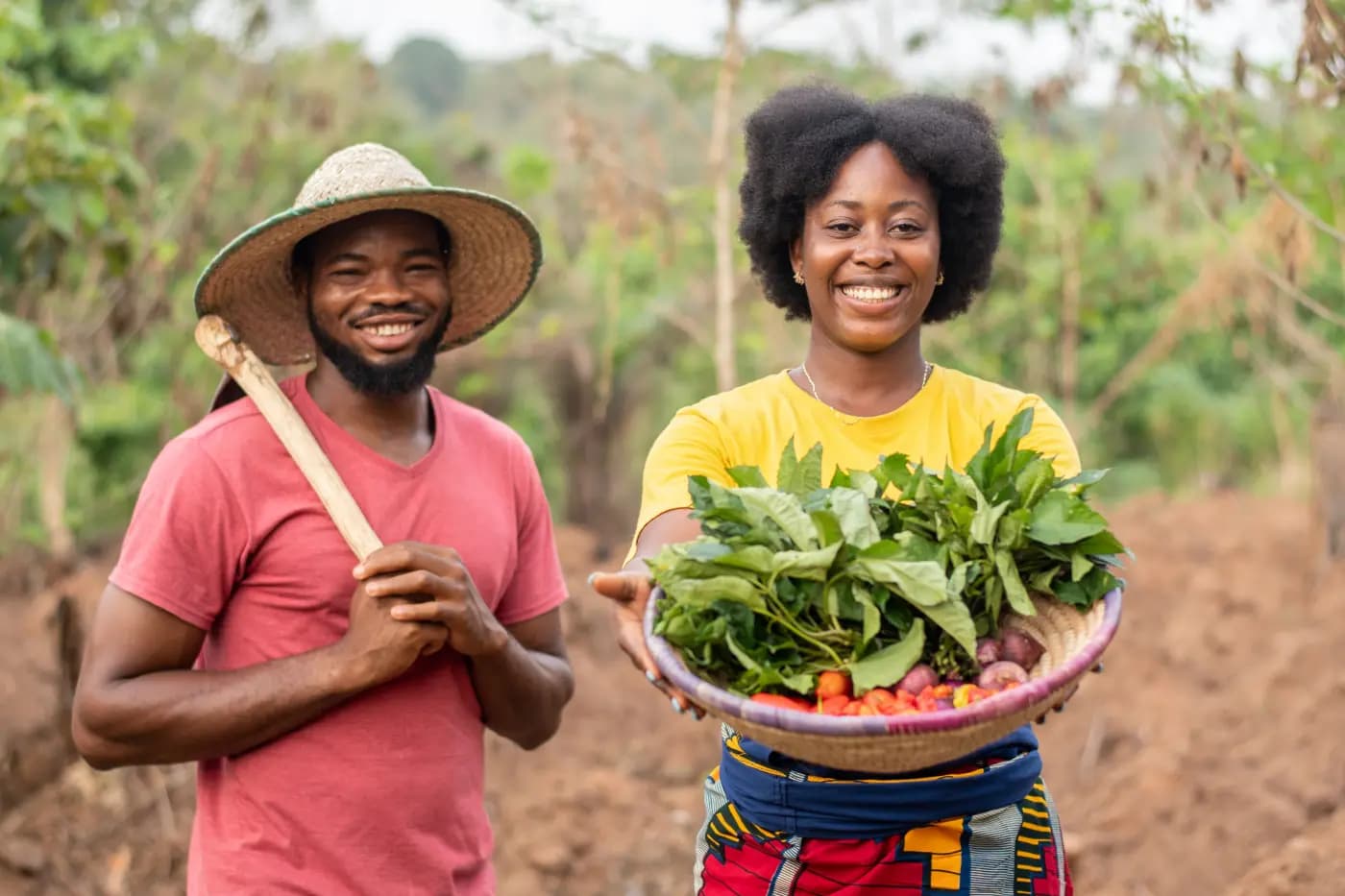
SEAP's agriculture and agribusiness strategy presents high-impact, scalable investment opportunities across Nigeria's LGAs. Through our GIS data and infrastructure-first model, we enable investors to fund agri-projects with lower risk and higher returns. For instance, modular processing units tailored to specific crops like cassava and maize can be deployed in high-yield zones with solar microgrids ensuring round-the-clock operations.
Cold-chain logistics is another critical area of investment. With solar-powered cold rooms and distribution hubs, investors can unlock value in perishable sectors such as tomatoes, dairy, and meat reducing spoilage and improving market pricing for farmers. These projects are suitable for both social impact investors and commercial agri-financiers.
Finally, value-added manufacturing for agribusiness such as starch processing, animal feed production, or fruit drying is being catalyzed by SEAP through energy-secure agro-industrial parks. By bridging energy and logistics gaps, SEAP creates investment-ready clusters where aggrotech innovators and processors can co-locate and thrive.
SEAP targets over 20,000 households per LGA, providing access to clean cooking through decentralized refueling infrastructure, home delivery systems, and community hubs. Both biogas and LPCNG fuel sources are deployed—biogas produced locally from waste and organic matter, and LPCNG sourced through Nigeria's expanding gas network. The program also equips schools, hospitals, religious centers, and correctional facilities with institutional-scale cooking systems.
SEAP's Agriculture & Agribusiness interventions are designed to attract high-impact, capital-efficient investments across processing, storage, and data infrastructure. In each LGA, investors can tap into growing demand for agro-logistics and post-harvest facilities. Solar-powered cold rooms, mini rice or cassava mills, and grain silos are viable with IRRs ranging from 15% to 28%. Regionally, dairy processing zones offer strong returns through value-added product lines. Additionally, nationwide access to GIS data tools offers subscription-based revenue models for aggrotech startups and analytics firms.
| Opportunity / LGA | ROI (Est) |
|---|---|
| Solar Cold Rooms (5 units / LGA) | 18-22% |
| Mini Rice or Cassava Mills | 20-25% |
| Grain Silos + Dryers | 15-18% |
| Dairy Cooling & Processing | 22-28% |
| GIS Data Subscription & Tools | N/A (License) |